

Virginia wild rye
Table of Contents
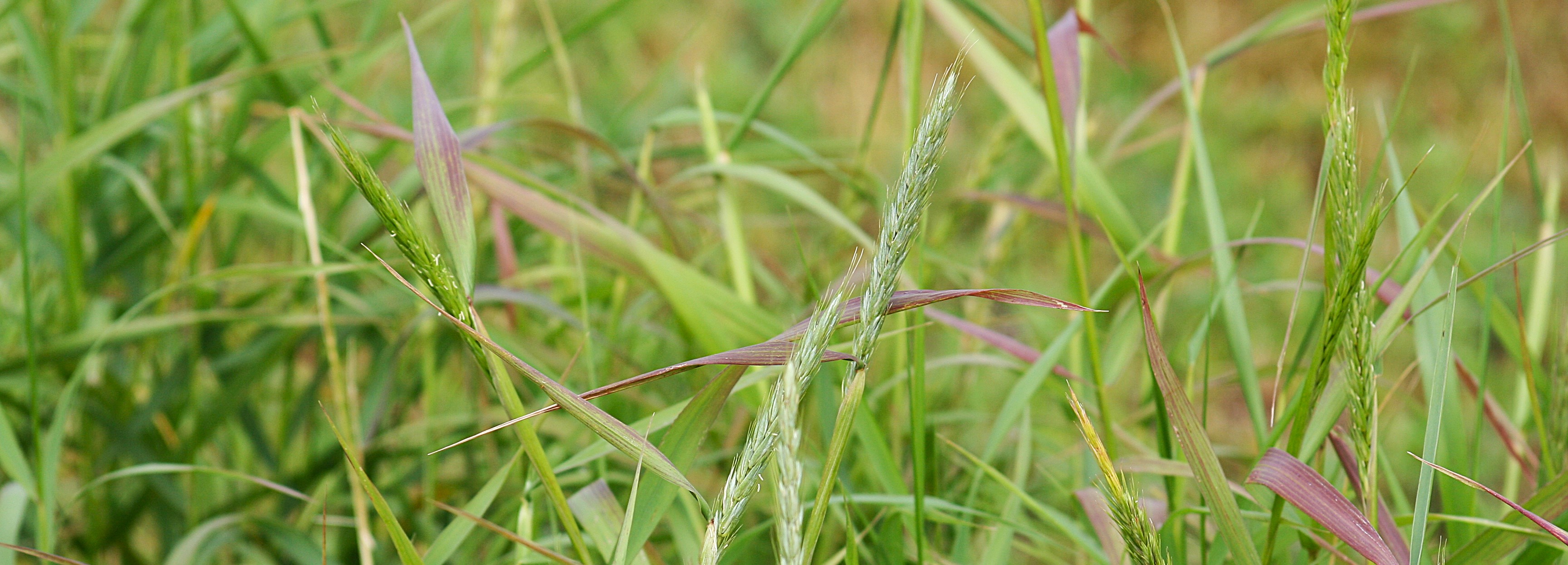
Elymus virginicus L.
Alternate Common Name: Terrell grass
Family: grass family (Poaceae)
Functional Group: cool season grasses
Description
- Life cycle and growth form
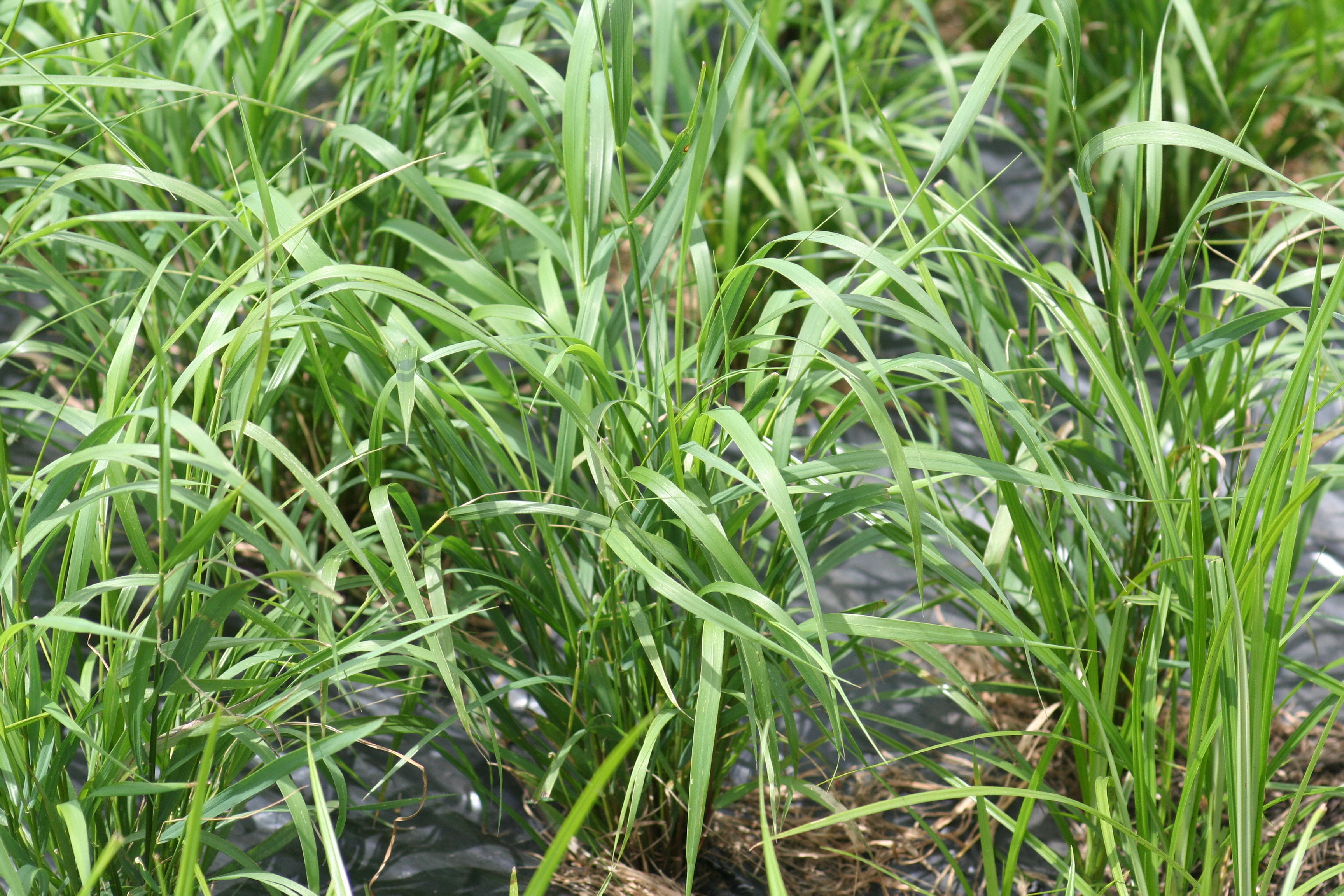
Perennial, cool season bunchgrass with fibrous roots.
Height: 1-4 ft
- Leaves and stem
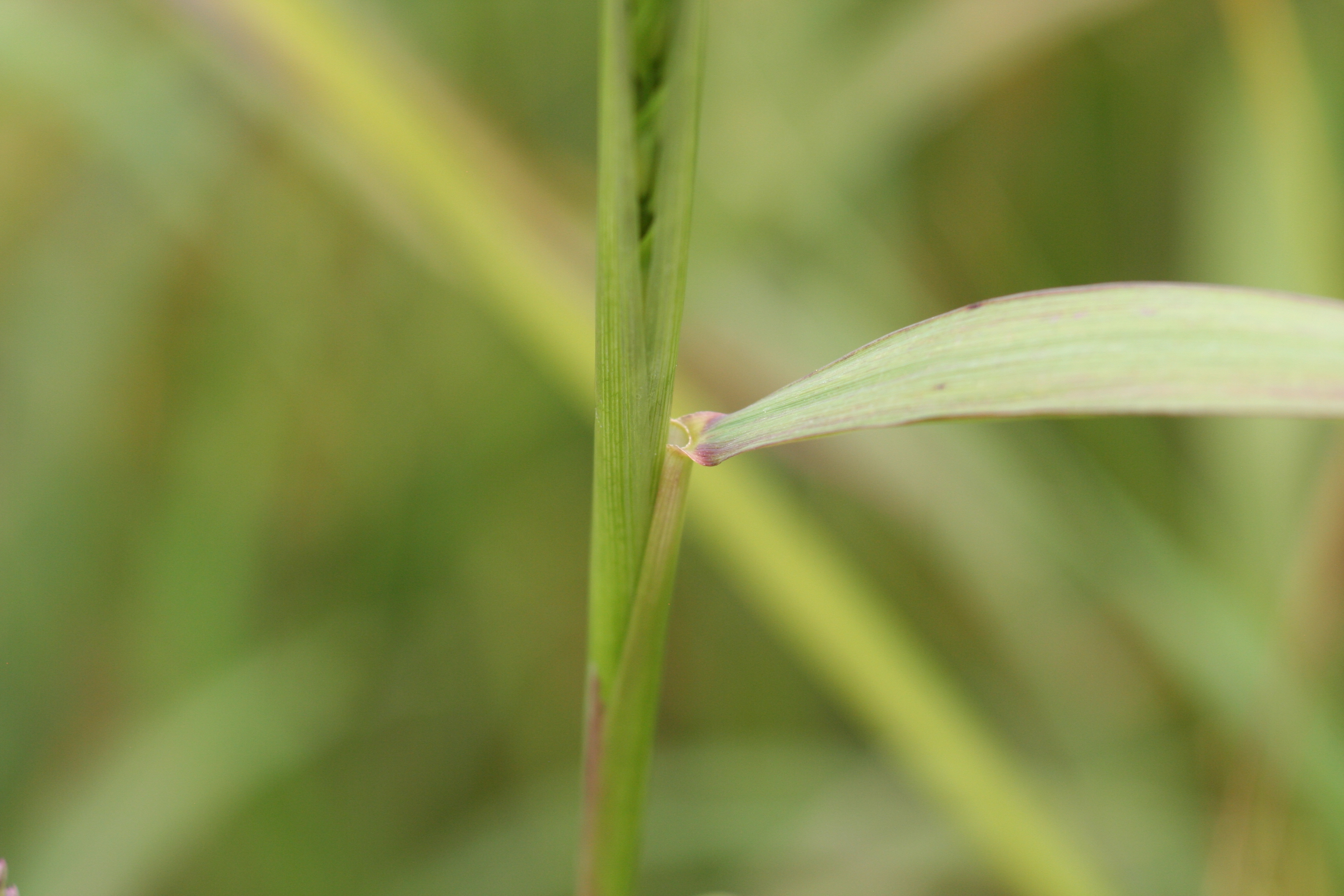
Leaf blades mostly flat but sometimes with inrolled edges, rough textured, 12-35 cm (5-14 in) long and 5-15 mm (1/4-5/8 in) wide, sheath sometimes with fine hairs; ligule a short membrane bracketed by two small, often purplish projections (auricles) that may wrap partway around the stem. Stems unbranched, smooth and erect, multiple from the base making clumps.
- Flower, fruit and seedhead
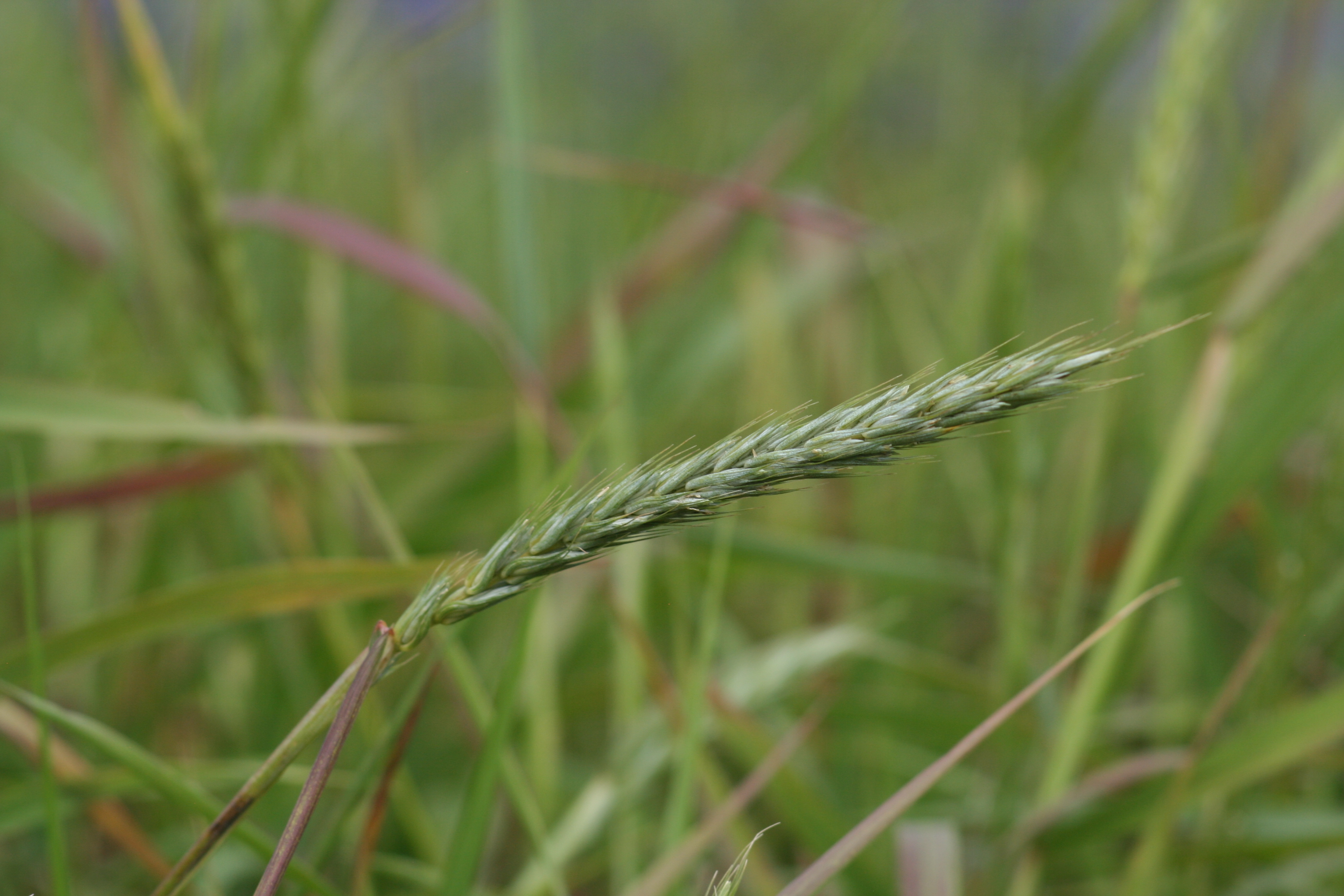
Fruit/seedhead: Seed head is an erect spike 5-17 cm (2-7 in) long (distinguishing it from Canada wildrye which has drooping spikes), often partially enclosed in the uppermost, inflated leaf sheath, light straw-colored at maturity. Spikelets bear awns up to 1 in long. Spikelets eventually drop off, leaving a naked stalk with alternating nodes.
Pollination: wind
- Seed
Seed characteristics
Seed weight:
Seeds per ounce: 4,200 (IA NRCS)
Seeds per pound: 67,200 (IA NRCS)
1000 seed weight: 6.14 g (Seed Information Database)
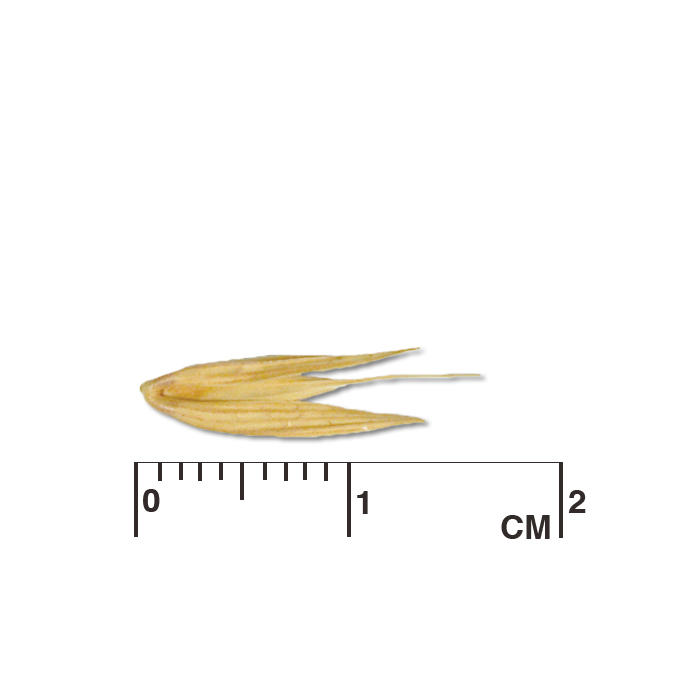
Description: Typical seed unit is a spikelet with 2-3 florets, awned, 0.5-2 cm (1/4-7/8 in) long including awns. Empty scales (glumes) on either side of spikelet thickened, rigid, awned, up to 2.5 cm long (1 in) long including awn. Awn length is highly variable in this species.
Typical seed test
PLS: 96%
Purity: 98%
Germination: 48%
Dormant: 51%
(averages obtained from 9 tests of purchased seed lots)
- Habitat and range
Habitat: Mesic to wet-mesic soil with high fertility; light shade to full sun; deciduous forests, savannas, thickets, meadows near woodlands. Wetland Indicator Status is Facultative Wetland (FACW) for the Midwest. Well-drained loams are preferred for seed production.
Conservation status: Global- G5, secure (NatureServe)

General Comments
Virginia wildrye is commonly found in open forests, savannas, and along woodland edges, and can be particularly abundant in open forests along creeks and rivers. It readily establishes from seed, and holds promise as a nurse crop for prairie and savanna reconstructions. Because of its shade tolerance, it will spread in open woodlands, but eventually gives way to full-sun adapted prairie species in a prairie reconstruction.
Recommendations for Seed Production
- Establishment for seed production
Direct seeding
Row spacing: 36 in 24 in 12 in Solid Stand PLS lbs/acre: 8.6 11.5 23 20-35 Seeding depth: 1/4-1/2 in
Seeding method: native seed drill
Seeding time: Fall or early spring
Weed control: Prepare clean, firm, weed free seedbed prior to seeding (e.g., following a glyphosate-resistant crop, for example).
Greenhouse
Seed pre-treatment: No moist stratification is necessary. Germination of grass seed usually improves with proper storage (cool, dry conditions) throughout the first year after harvest.
Sowing: Sow seed in greenhouse two months before last frost free date at 1/4-1/2 in depth.
Transplanting: Transplant after all danger of frost into rows spaced convenient for tillage equipment or at 12 in spacing in a weed barrier.
- Stand management
Weeds: Mow stands high (6-12 in) first growing season to prevent weed canopy from shading seedlings. Broadleaf herbicides can be used to control broadleaf weeds in established stands. Cultivate or mow between rows.
Pests: Grubs are reportedly a problem in Texas.
Diseases: Ergot is known to occur on seedheads.
Hybridization risk: This species is known to hybridize with related species Elymus canadensis, E. hystrix, E. villosus. Maintain adequate separation between plots of these species.
- Seed production
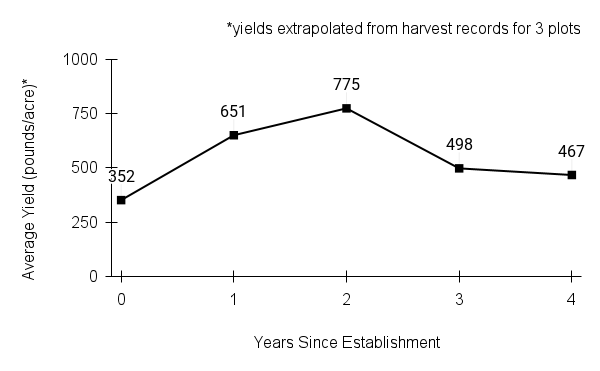 First harvest: Abundant flowering and seed set end of first growing season from greenhouse grown plugs transplanted into a weed barrier.
Yield: 355-775 bulk pounds/acre (per acre yields extrapolated from production on 3 plots)
Stand life: Estimated stand life 5-8 years. Annual early spring burn will prolong the life of the stand.
Flowering date: mid-July to mid-August in northern Iowa
Seed maturity/Harvest date: late August to early September in northern Iowa
Seed retention: Shattering occurs mid to late October; fairly low risk of seed loss.
Harvest date range at TPC (2006-2025): Aug 14 - Nov 22
Harvest date range at Elsberry, MO: Aug 29 to Sept 12
Recommended harvest method: Combine at hard dough stage.
- Seed cleaning and storage
Cleaning process: Pre-clean air-dried material by scalping through 1/2 in mesh to remove large chopped stems and leaves. Debeard or brush gently to remove awns and break up seed heads, then airscreen to clean (see Appendix C for settings).
Seed storage: cool/dry (33-50° F, 30-50% RH).
Released Germplasm
Source Identified material: Natural Selections/Iowa Ecotype Project Zones 1, 2, and 3. Northern Missouri Germplasm
Selected Germplasm: Cuivre River Germplasm (MO), Kinchafoonee Germplasm (TX), Tober Germplasm (ND)
- References
Chayka, K. (n.d.). Elymus virginicus (Virginia wild rye). Minnesota Wildflowers. https://www.minnesotawildflowers.info/grass-sedge-rush/virginia-wild-rye
Hilty, J. (2019). Virginia wild rye - Elymus virginicus. Illinois Wildflowers. https://www.illinoiswildflowers.info/grasses/plants/va_rye.htm
Houseal, G. A. (2007). Grasses cool season. In G. A. Houseal (Eds.), Tallgrass Prairie Center’s native seed production manual (pp. 86–87). Tallgrass Prairie Center - University of Northern Iowa.
Kartesz, J.T., The Biota of North America Program (BONAP). 2023. North American Plant Atlas. (http://bonap.net/napa). Chapel Hill, N.C. [maps generated from Kartesz, J.T. 2023. Floristic Synthesis of North America, Version 1.0. Biota of North America Program (BONAP). (in press)]
NatureServe. 2024. NatureServe Network Biodiversity Location Data accessed through NatureServe Explorer [web application]. NatureServe, Arlington, Virginia. Available https://explorer.natureserve.org/. (Accessed: February 29, 2024).
USDA NRCS National Plant Data Team. (n.d.). Elymus virginicus L. USDA plants database. https://plants.usda.gov/home/plantProfile?symbol=ELVI3
Species Guide Updated 12/3/2025